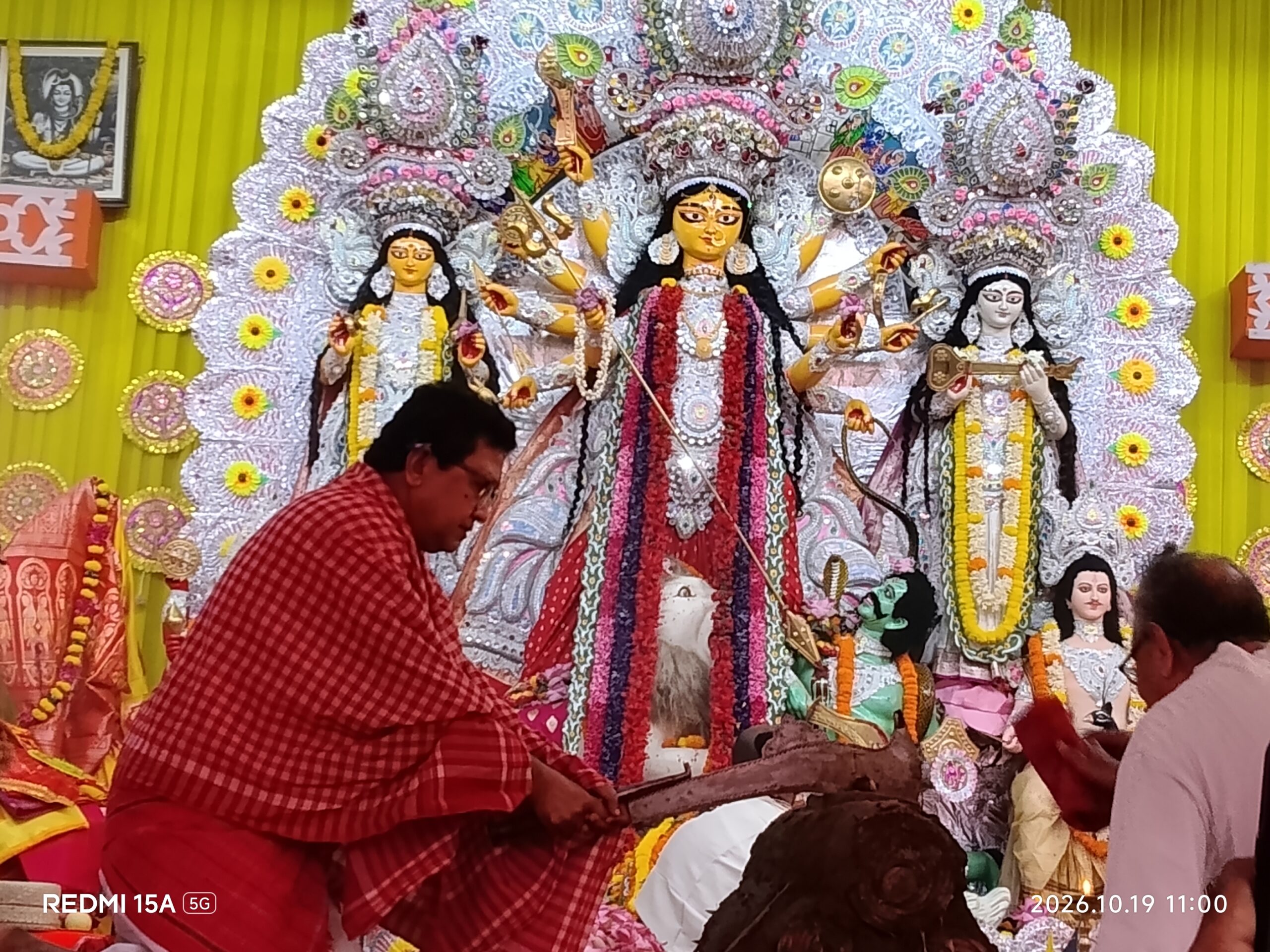
Dilip Guha, Sasraya News ★ New Delhi: The Ramakrishna Mission in New Delhi, which will celebrate its centenary next year, continues to uphold its traditional practices in organising Durga Puja. Since introducing Durga Puja celebrations in 2023, the Mission has strictly adhered to the rituals and customs followed at Belur Math in West Bengal, and this fourth consecutive year is no exception, said Swami Sarvalokananda Maharaj, Secretary of the Ramakrishna Mission, New Delhi.
Also read: At CR Park, Cooperative Ground Durga Puja Comes with a Foodie Trail to Remember
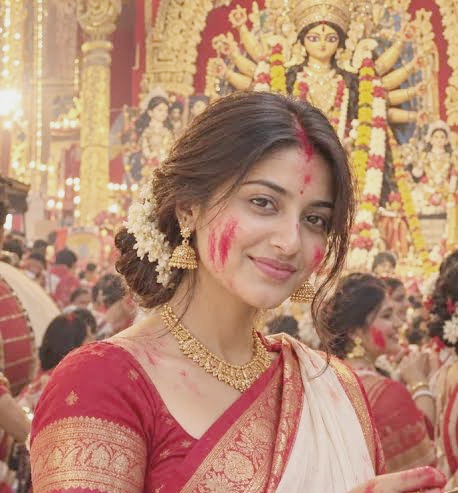
The 99-year-old Ramakrishna Mission has erected a large, aesthetically designed pandal on its premises, featuring a specially constructed marble platform for the worship of Goddess Durga. The idol of the Goddess, accompanied by those of her four children—Lakshmi, Saraswati, Kartika and Ganesh—has been installed in the pandal. The idols, crafted in the traditional Bengali ‘shabeki’ style, were created on the ashram premises by artisans from West Bengal under the guidance of Shri Biswajit Pal of Krishnanagar, West Bengal.
The venue is located near the Ramakrishna Ashram Marg Metro Station in Paharganj, New Delhi.
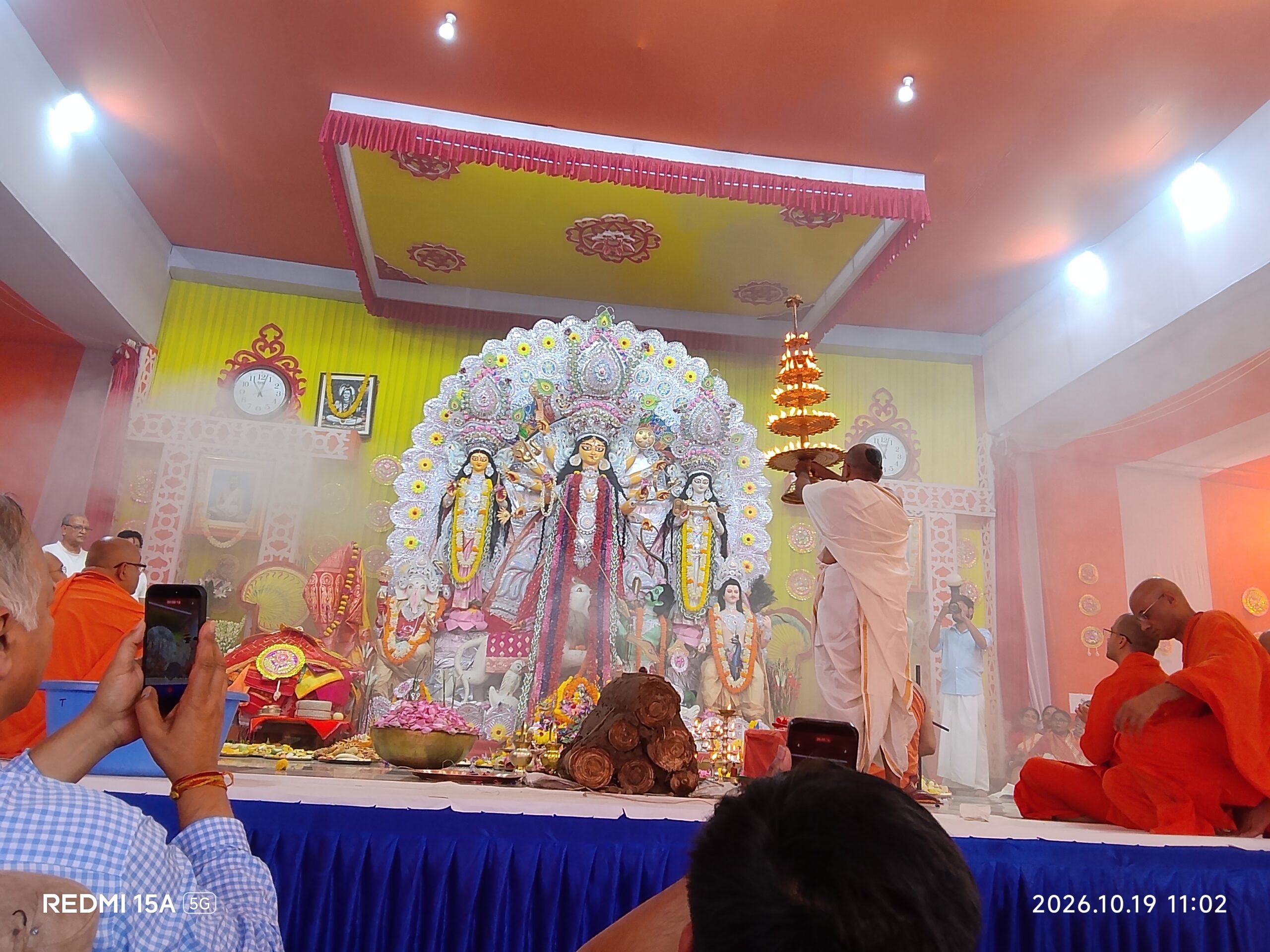
Durga Puja, which symbolises the victory of truth over evil, is predominantly a Bengali festival that has assumed pan-Indian proportions. The Mission has made elaborate arrangements for Durga Puja from 16 October to 21 October 2026. The Puja began with Maha Shashthi and will continue until Dashami.
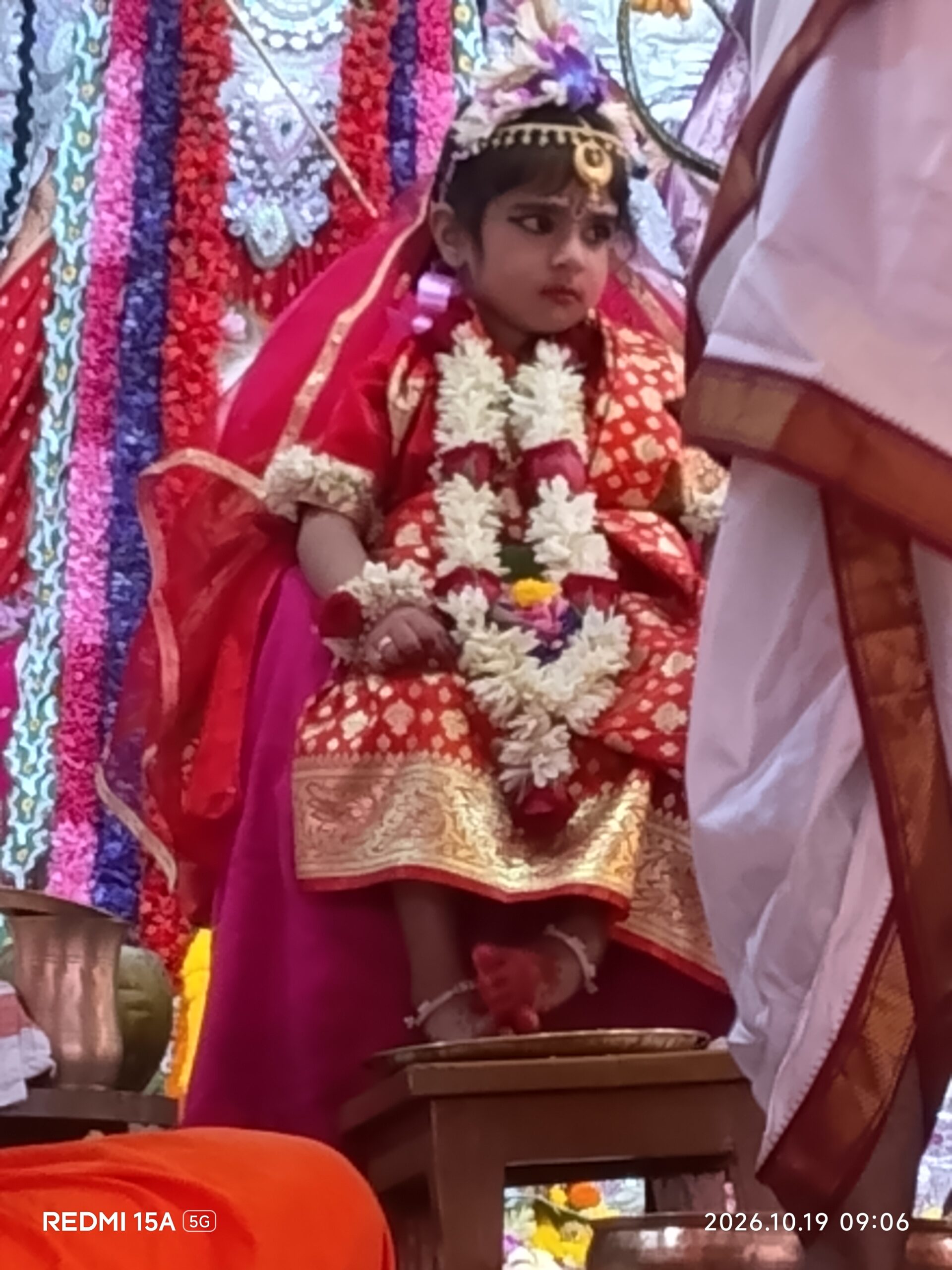
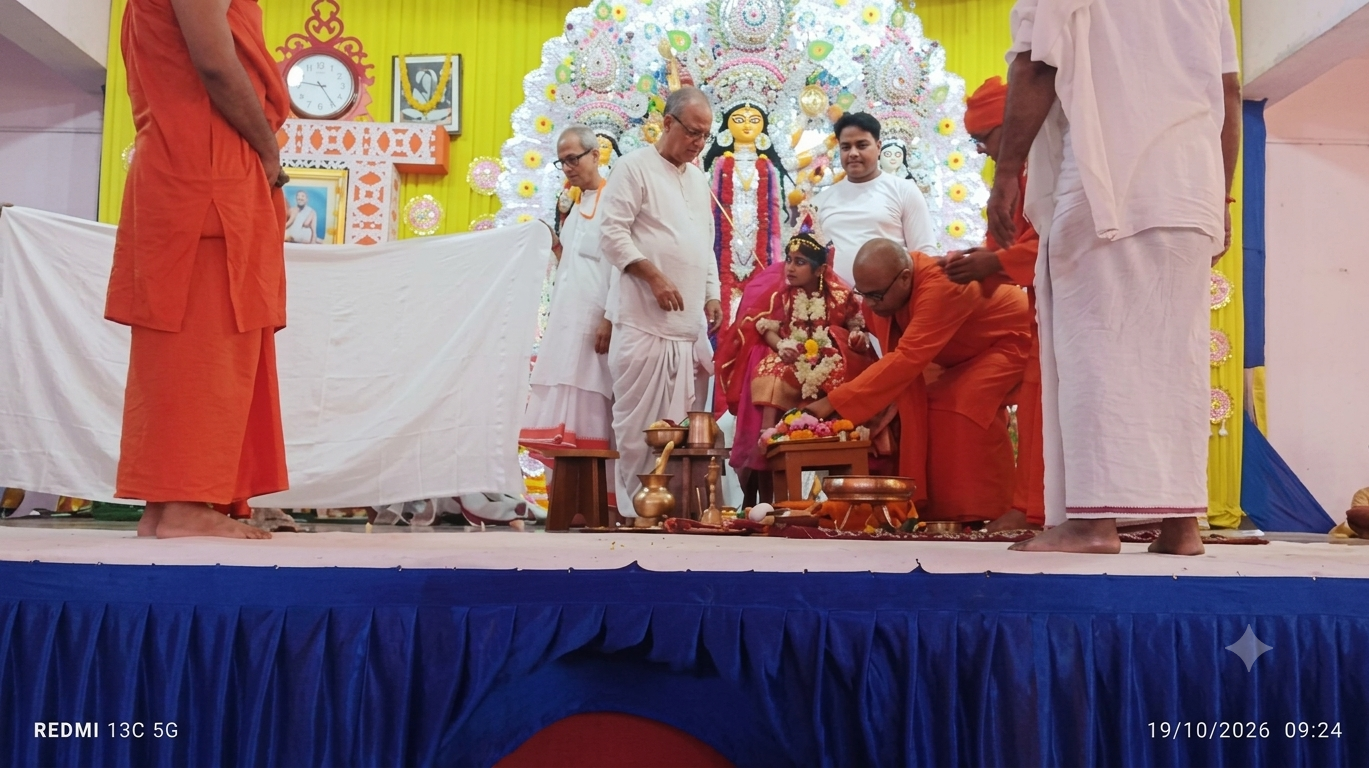
Among these days, Ashtami, the eighth day of Durga Puja, holds a special place in the hearts of devotees. The Mission organised a special Kumari Puja on Maha Ashtami, i.e., today, during which a six-year-old girl was worshipped as the very embodiment of Mother Durga.
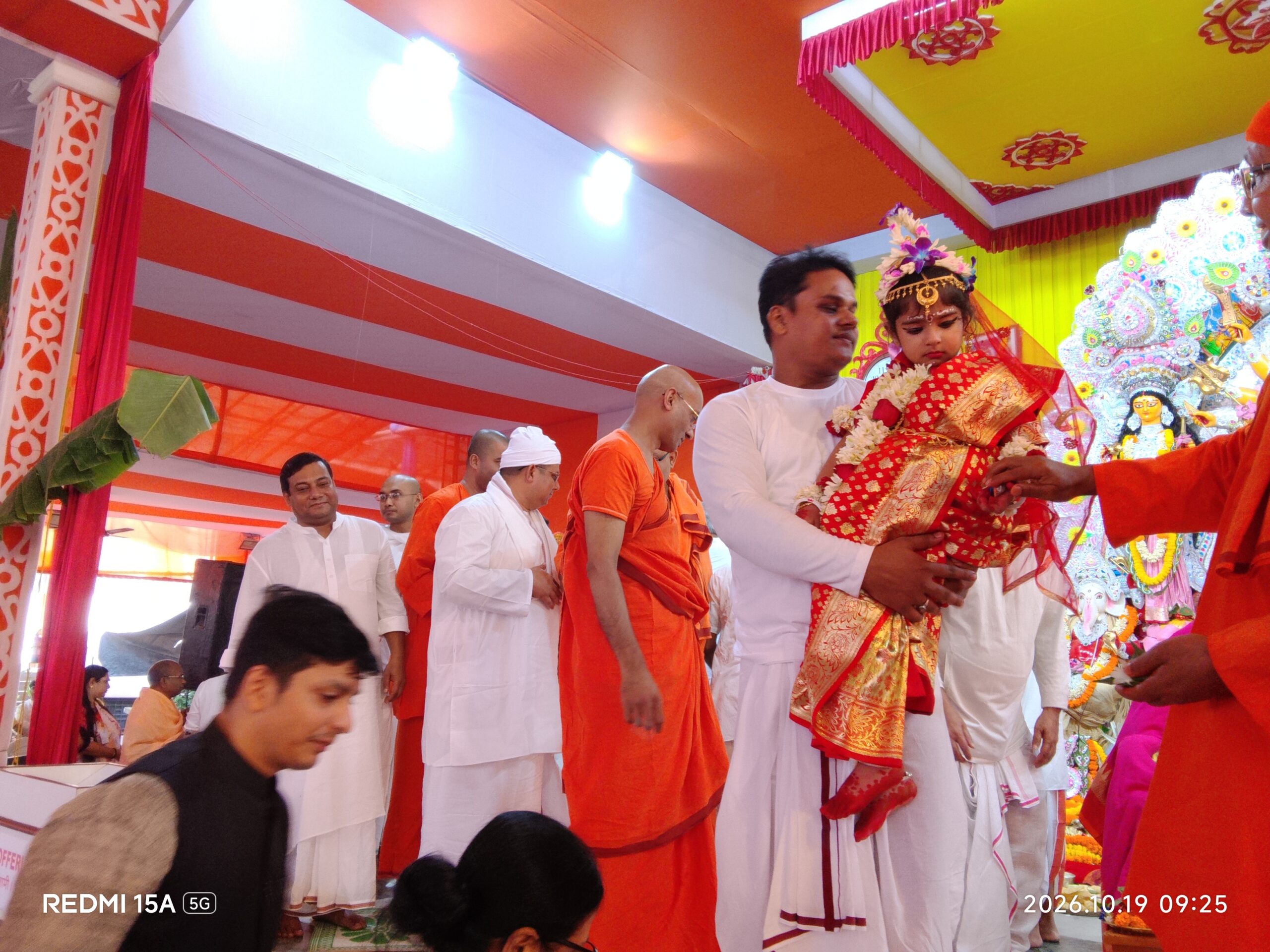
According to tradition, an unmarried young girl is symbolically worshipped as a goddess. This was followed by Sandhi Puja, another important ritual of Durga Puja, performed on the same day between 10:27 am and 11:15 am. Sandhi Puja takes place during the sacred 48-minute juncture between Mahashtami and Mahanavami, when Devi Chamunda is offered special worship.
Also read: Delhi Tourism Brings Heritage, Gastronomy & Innovation to the Forefront at BLTM 2026
Swami Vivekananda introduced Durga Puja in the Ramakrishna Order in 1901 after his return from the West, performing the worship in the name of Sri Sarada Devi, the Holy Mother. This tradition continues to be followed at 35 centres of the Ramakrishna Order across India and at 15 international locations, including Bangladesh, South Africa and Mauritius.
Bhaskar Roy, Vice-President of the Managing Committee and a devoted member of the Ramakrishna Mission for over sixty years, offered a heartfelt perspective on the festival’s enduring spirit. He noted that growing participation by volunteers and devotees has contributed to its continued success, reflecting a shared commitment that transcends generations.
“Our strength lies in collective devotion,” Roy remarked. “Each year, more hands and hearts come together—not just to celebrate, but to uphold the sanctity of our traditions.”
He emphasised that while the scale of the celebration has expanded, the Mission remains deeply rooted in the rituals and practices established by Belur Math, ensuring that reverence guides every aspect of the Puja.
He said that the Ramakrishna Mission in New Delhi was hosting its fourth annual Durga Puja celebration, a tradition that began in 2023. He confirmed that the festival had quickly become a cherished tradition, drawing devotees from across the city.
“Durga Puja, as practised by the Ramakrishna Order, traces its origins to Belur Math, where it was first initiated by Swami Vivekananda in 1901. The inaugural Puja was held in the presence of Sri Sri Sarada Devi, the Holy Mother, whose spiritual legacy continues to guide the rituals performed at all Ramakrishna Math and Mission centres. Today, the festival is observed at 35 centres across India and 15 international locations, including Bangladesh, South Africa and Mauritius.”
At the New Delhi centre, the festivities have been marked by a surge in participation, especially on Mahashtami. Highlights include the Kumari Puja, which honours the divine feminine through the worship of a young girl, and the Sandhi Puja, dedicated to Devi Chamunda. Organisers anticipate large crowds throughout the celebrations, with lunch prasad served generously to all attendees.
Adding to the festive atmosphere is an artistically designed pandal on the Mission premises, which has become a visual and spiritual focal point.
Roy said, “Apart from Puja and Pushpanjali in the mornings, Sandhya Arati will also be performed every evening. Bhog Prasad will be served to one and all every day from 1:00 pm onwards, for which elaborate arrangements have been made. We are expecting an aggregate footfall of 40,000 to 50,000 devotees.”
The Mission has organised prasad (lunch) for all visitors on all four days. Six dhakis (drummers) from Bolpur, near Santiniketan, were seen in action during the Puja celebrations.
The concluding rituals will take place on 21 October 2026, with Sindoor Khela scheduled earlier in the day. The immersion of the Durga idol is scheduled for 1:30 pm at Astha Kunj near Nehru Place, marking the conclusion of this year’s vibrant and devotional celebration.
Durga Puja is referred to as the ‘Ashwamedh Yajna’ of Kali Yuga, indicating that performing the Puja requires considerable effort, elaborate arrangements and resources. Swami Sarvalokananda said that the speciality of Durga Puja at the Ramakrishna Mission lies in its strict adherence to the Shastras.
Speaking to this reporter, Swami Sarvalokananda, Secretary of the Ramakrishna Mission, New Delhi, reflected on the essence of Durga Puja:
“Durga Puja is a celebration of Shakti—the sacred feminine force that resides within each of us. Through this worship, we seek to awaken that divine energy, to nurture strength, compassion, and clarity in our lives.”
He described the Puja as a vibrant yet deeply meaningful tradition.
“Here, the ritual is not just about grandeur—it’s about invoking auspiciousness in every heart. The Goddess is revered with devotion and dignity, accompanied by the rhythmic pulse of dhak and dhol, communal feasting, and joyful gatherings. It is a Rajasik celebration, yes, but one that uplifts the spirit and binds the community.”
Swami Sarvalokananda also expressed concern over the growing moral and ethical challenges confronting contemporary society. Highlighting the disturbing rise of greed, aggression, and social divisions, he emphasised the spiritual significance of worshipping Mrinmayi Maa as a means of overcoming negative tendencies and restoring harmony.
“We see troubling tendencies—greed, aggression, division—taking root. The worship of Mrinmayi Maa is our collective prayer to dispel these forces and restore balance. It is a call to reclaim our higher nature,” he observed.
Reaffirming the spiritual unity and continuity of the Ramakrishna Order’s traditions, Swami Sarvalokananda said that the rituals performed at its various centres strictly adhere to the sacred practices followed at Belur Math.
“Our rituals follow the sacred traditions of Belur Math. Whether in Delhi or elsewhere, the spirit of the Puja remains the same—rooted in reverence, guided by wisdom, and open to all,” he concluded.