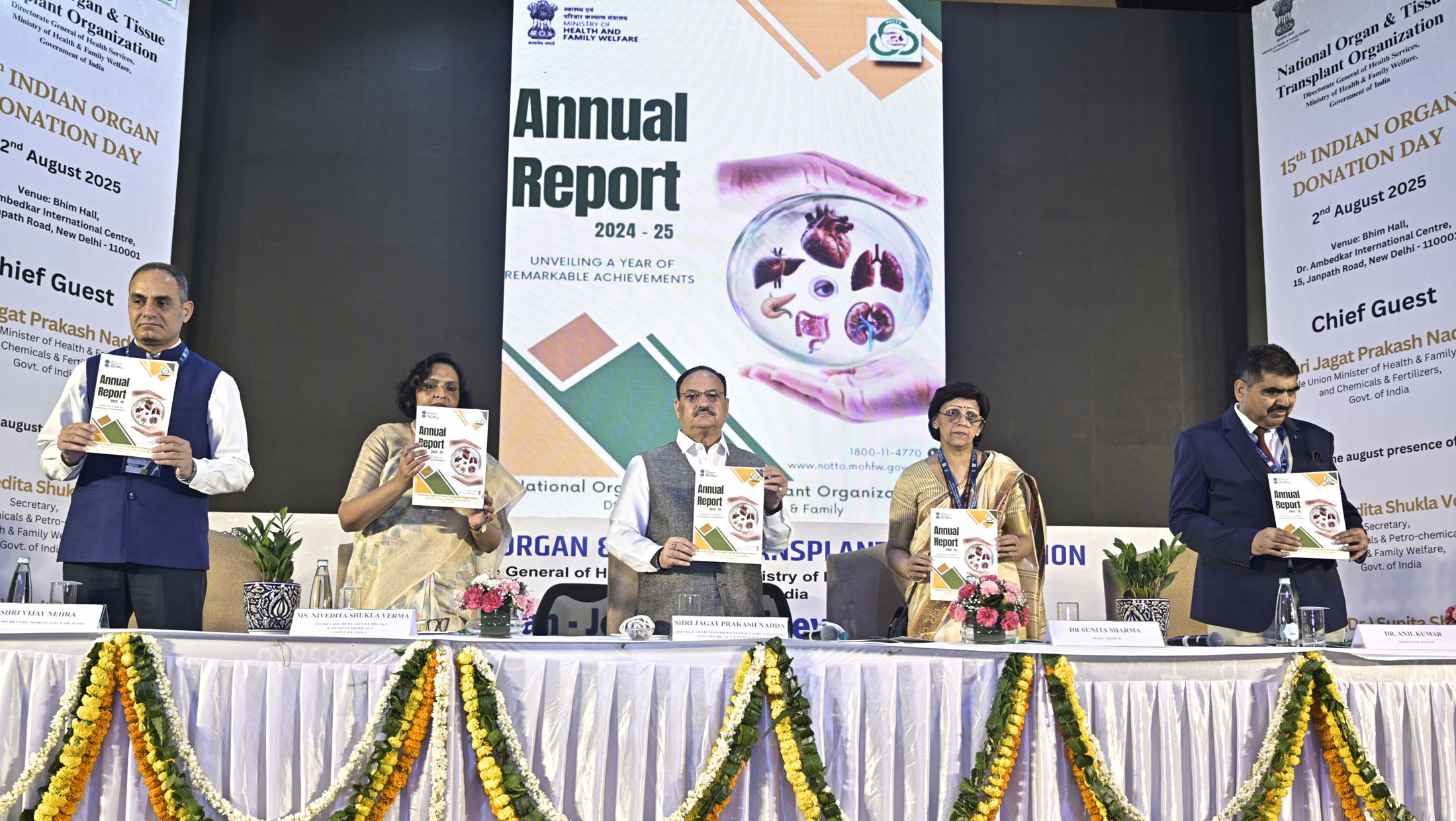
Dilip Guha ★ New Delhi : National Organ and Tissue Transplant Organisation (NOTTO) under the aegis of Directorate General of Health Services, Ministry of Health and Family Welfare, Government of India, organised an event on the eve of the 15th Indian Organ Donation Day on 2nd August, 2025, at Dr. Ambedkar International Centre, 15 Janpath Road, New Delhi. The event was graced by Hon’ble Union Minister of Health & Family Welfare and Chemicals & Fertilisers, Shri J.P. Nadda, as the Chief Guest.
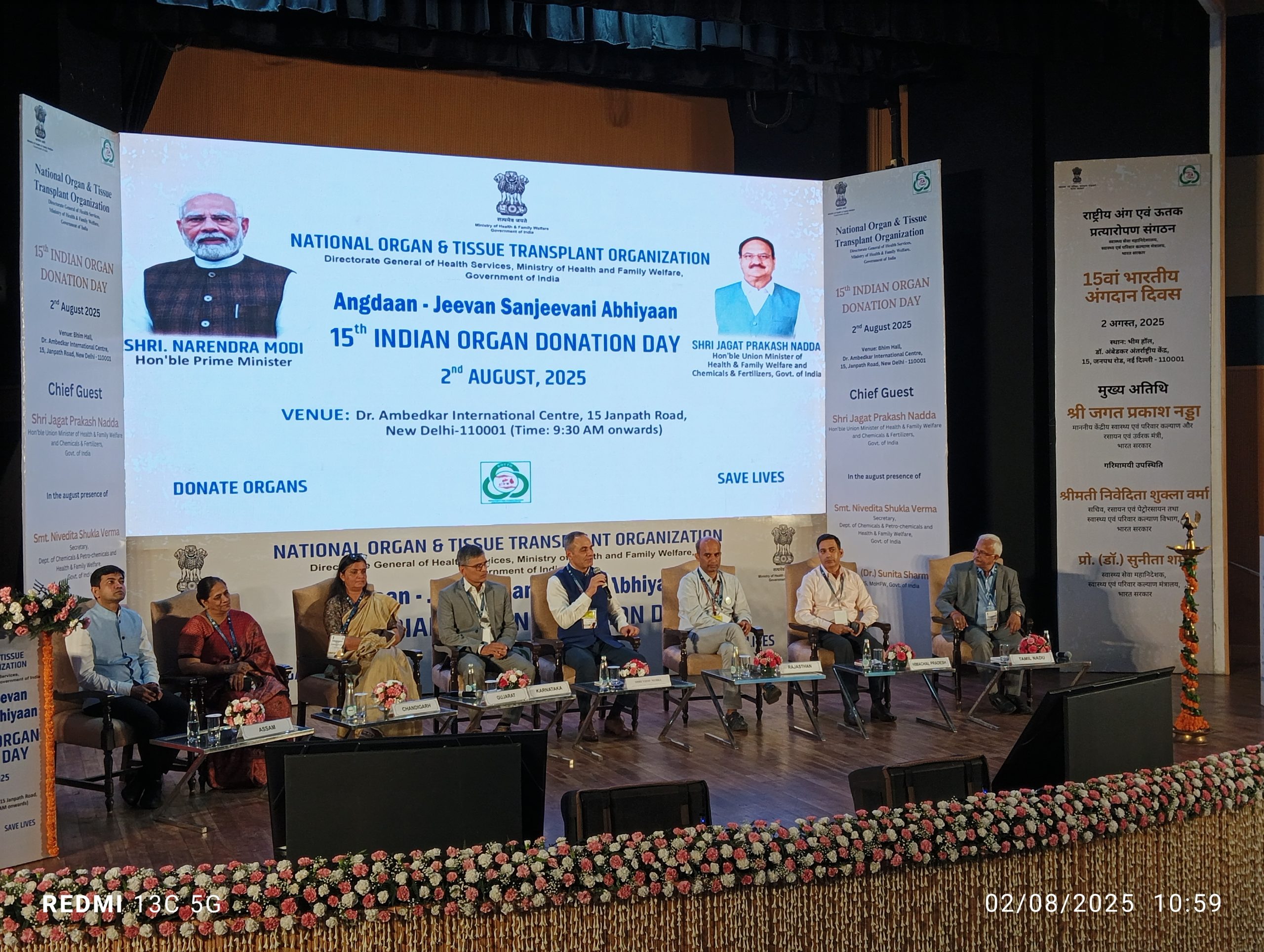
The 15th edition of Indian Organ Donation Day was held after the year-long national campaign “Angdaan- Jeevan Sanjeevani Abhiyan”, which seeks to promote organ and tissue donation across the country. The campaign emphasises the need for increased public participation, dispelling myths and misconceptions, and motivating citizens to pledge to organ donation. This event aimed to raise awareness about the critical importance of organ donation and to honour the selfless donors and their families who have given the gift of life. As part of the campaign, Organ Donation Month was observed from 1st–31st July, 2025. Various awareness activities such as webinars, health camps, and information kiosks are being organised nationwide.
Organ donation is a life-saving act that allows organs such as the heart, kidneys, pancreas, lungs, eyes, and more to be donated—either by living individuals or posthumously—to patients suffering from chronic or end-stage diseases. Organisations dedicated to this cause aim to raise awareness and educate people about the profound impact of donating organs, particularly after death. With organ failure being a leading cause of morbidity, particularly exacerbated by the pandemic, many lives are lost due to the shortage of donors. One donor can potentially save up to eight lives through the donation of vital organs and tissues, including bone marrow and stem cells. Organ Donation Day serves to emphasise this importance, dispel common myths, and encourage individuals to register voluntarily. While anyone can register as a donor, individuals under 18 require parental or guardian consent. One deceased donor after brain stem death can donate 2 kidneys, 2 lungs, liver, heart, intestine, and pancreas, thus potentially saving up to 8 lives. Tissues such as corneas, skin, bones, and heart valves can also be donated, often even after natural or cardiac death, typically within six hours.
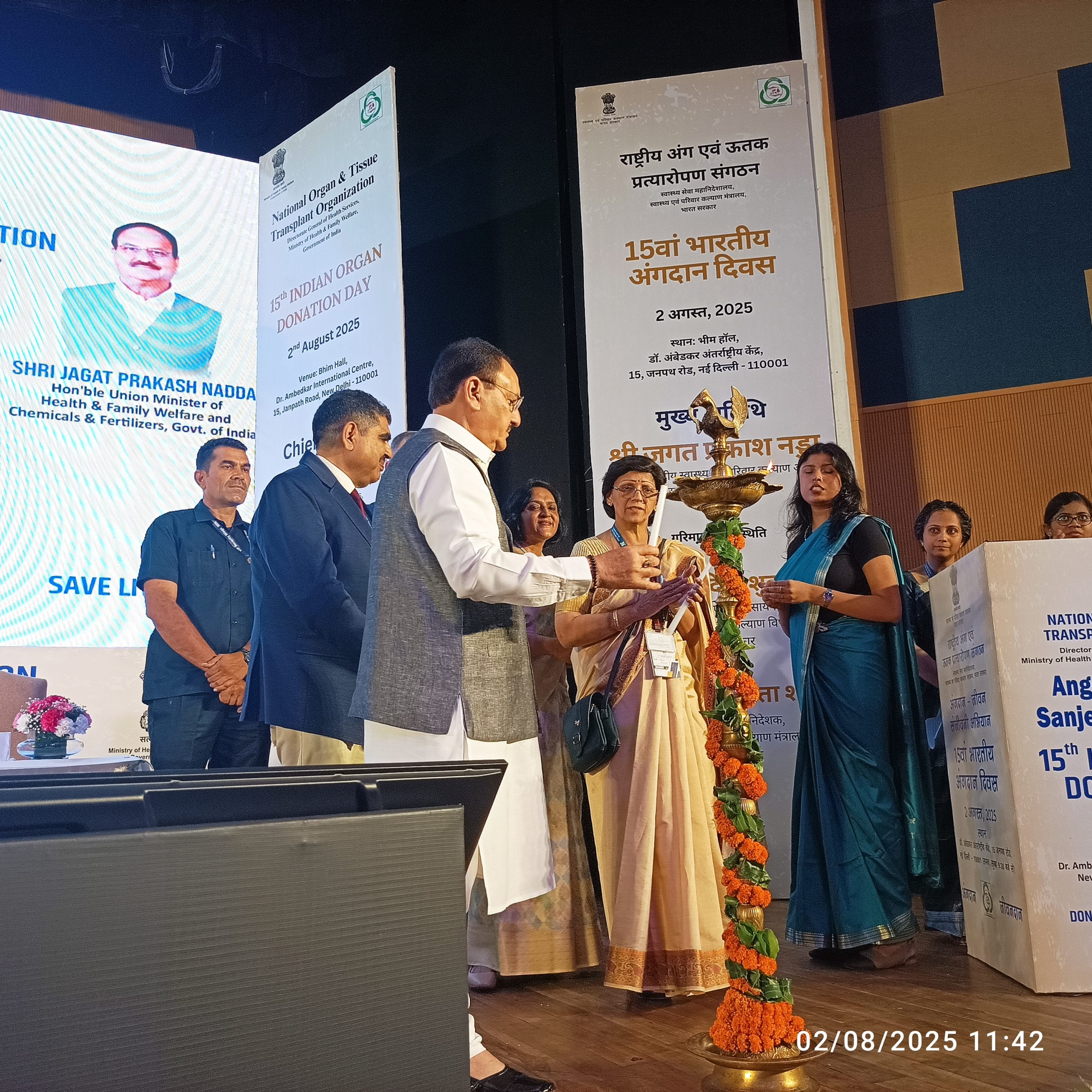
Organ donation in India is regulated by the Transplantation of Human Organs and Tissues Act, 1994. Initially, India celebrated National Organ Donation Day on 27th November, but it was shifted to 3rd August to commemorate the anniversary of India’s first successful deceased donor heart transplant. The first successful kidney transplant was performed in 1954 in the United States.
India has made significant progress in the field of organ and tissue transplantation, with increasing public awareness and improved infrastructure. However, the demand for organs far exceeds the availability, and thousands of patients continue to wait for life-saving transplants. The Government, through NOTTO, remains committed to strengthening the organ donation ecosystem in the country. However, India’s Organ Donation Challenge: Turning Loss into Legacy
Despite performing 18,911 organ transplants in 2024, India’s deceased donor rate remains alarmingly low, just 0.81 per million population (PMP), according to the latest annual data from NOTTO. This figure falls significantly short of global benchmarks, underscoring a critical gap between organ demand and availability.
To address this disparity, the government has launched the “Angdaan – Jeevan Sanjeevani Abhiyaan”, a nationwide campaign aimed at transforming personal loss into a lasting legacy. The initiative seeks to inspire more Indians to embrace organ donation as a profound act of compassion and continuity, even beyond life.
In a decisive move, the Ministry of Health and Family Welfare has reaffirmed its commitment:
“Strengthening healthcare systems to facilitate organ donation and transplantation is one of the government’s top priorities.”
This renewed focus signals a pivotal shift toward building a more responsive, inclusive, and life-saving organ donation ecosystem across the country.
Acknowledging the initiative, Dr. Arunima Gupta, a homoeopathic consultant who attended the function, remarked: “Organ donation is a gift of life as it offers a second chance for patients suffering from organ failure, chronic illness, or life-threatening injuries. With thousands of people waiting for transplants, one donor can make so much difference. In a country like India, where less than 1% of the population is actually registered for organ donation, by raising awareness and encouraging people to come forward as donors, we can significantly close the gap between demand and availability and ensure more lives are saved each day.”
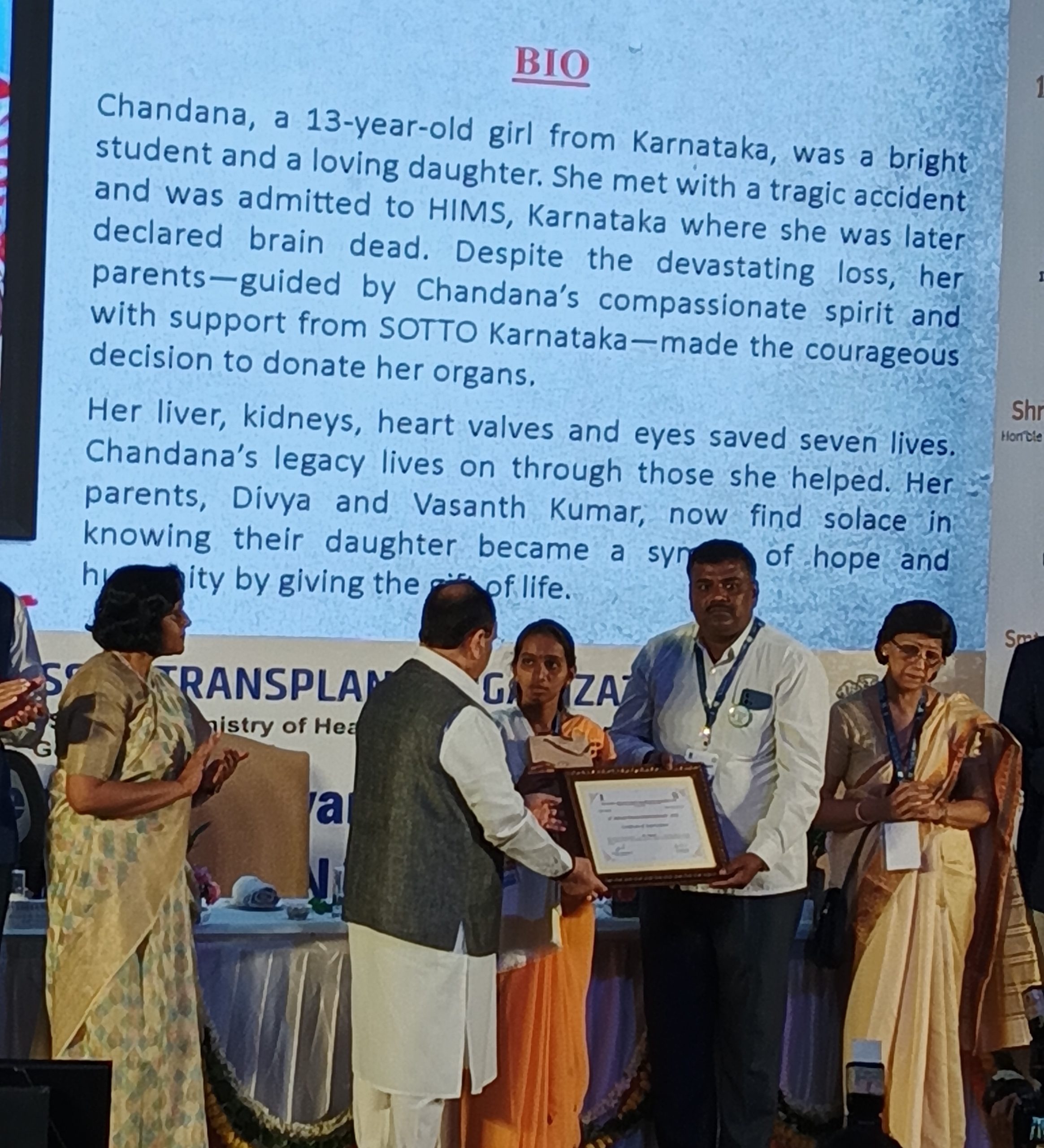
This year’s program witnessed the presence of distinguished dignitaries, medical professionals, donor families, transplant recipients, and other key stakeholders. The event also featured award ceremonies to recognise states, hospitals, coordinators, stakeholders, and organisations for their outstanding contributions to organ and tissue donation and transplantation.
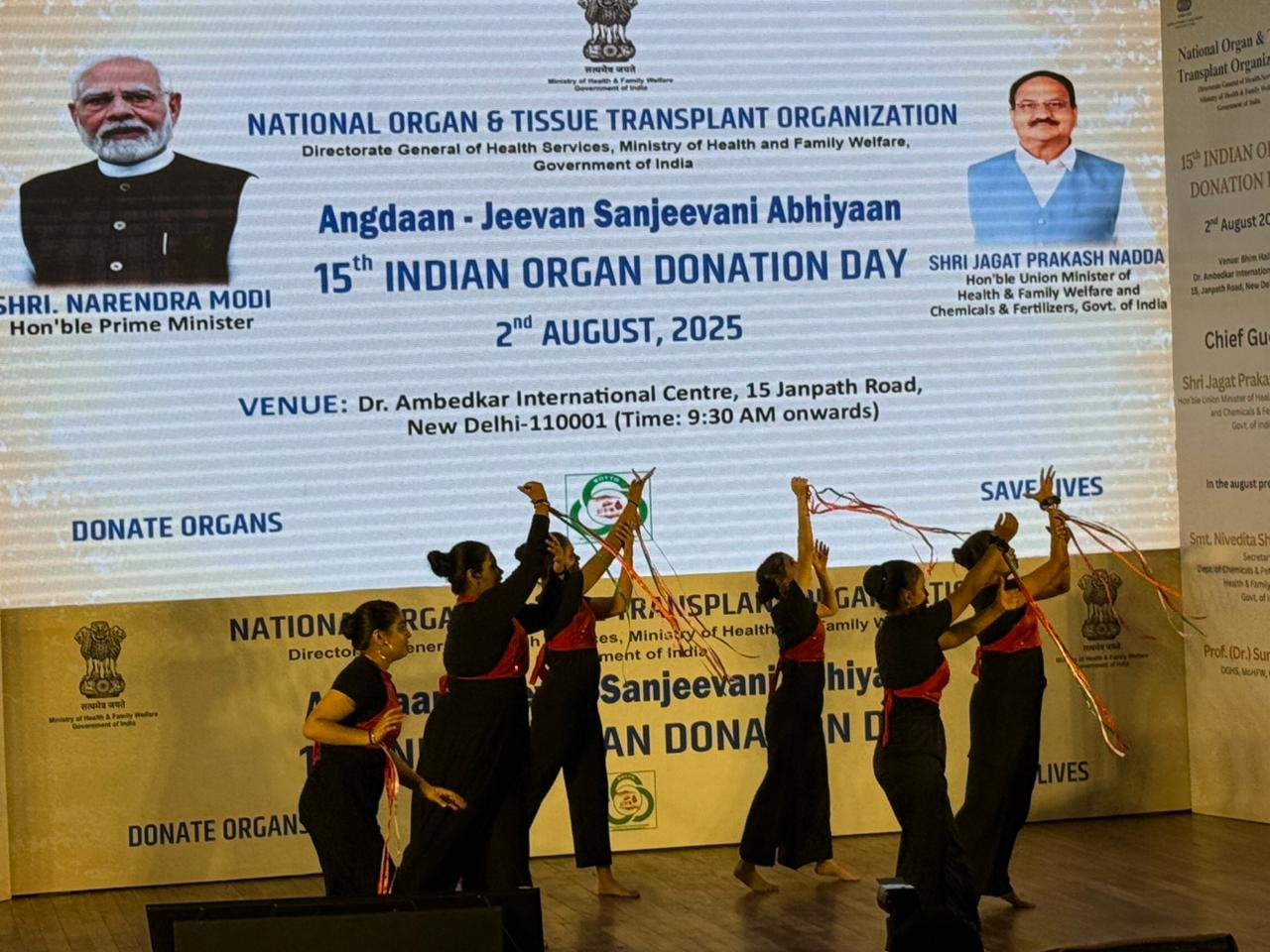
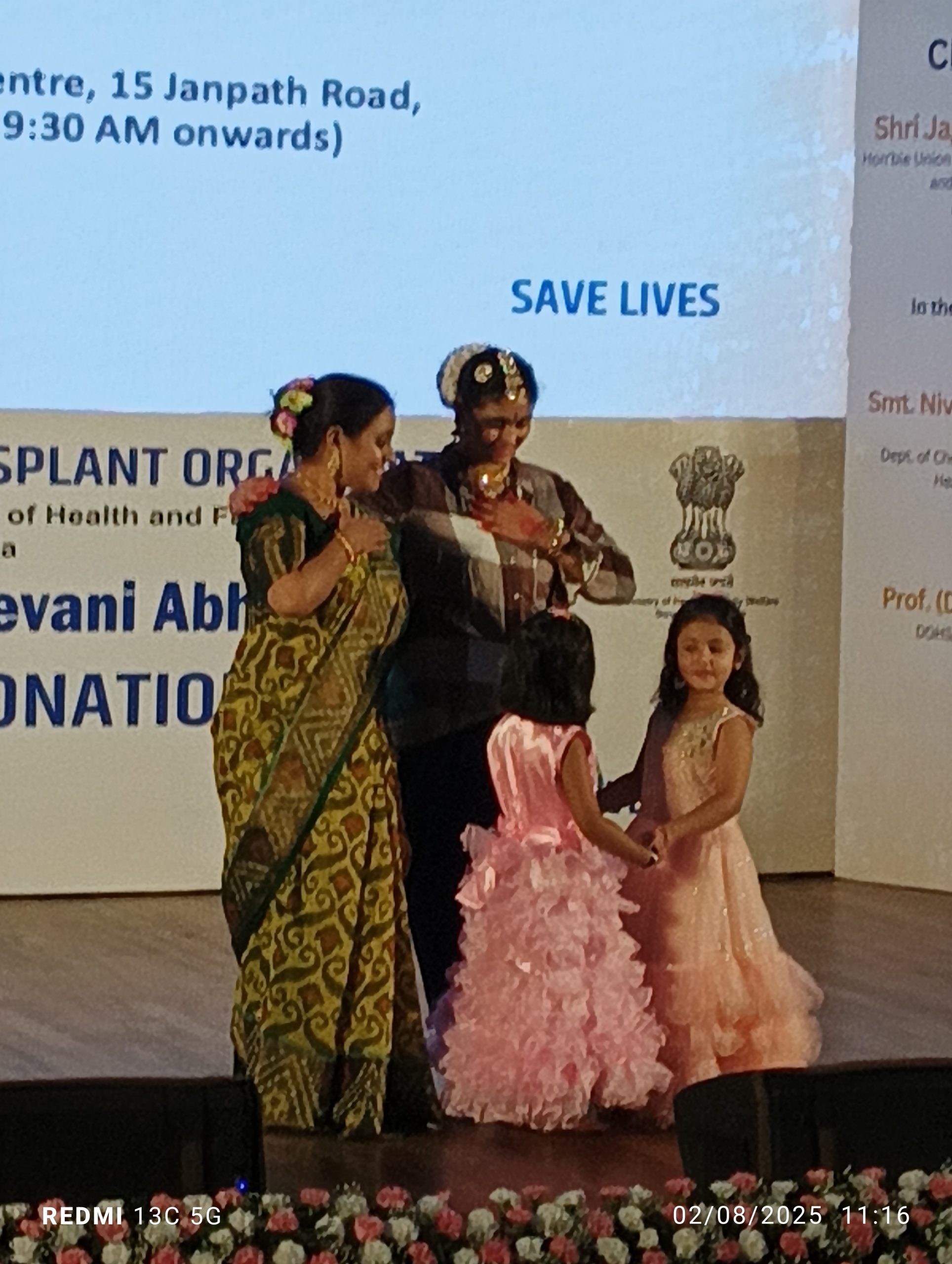
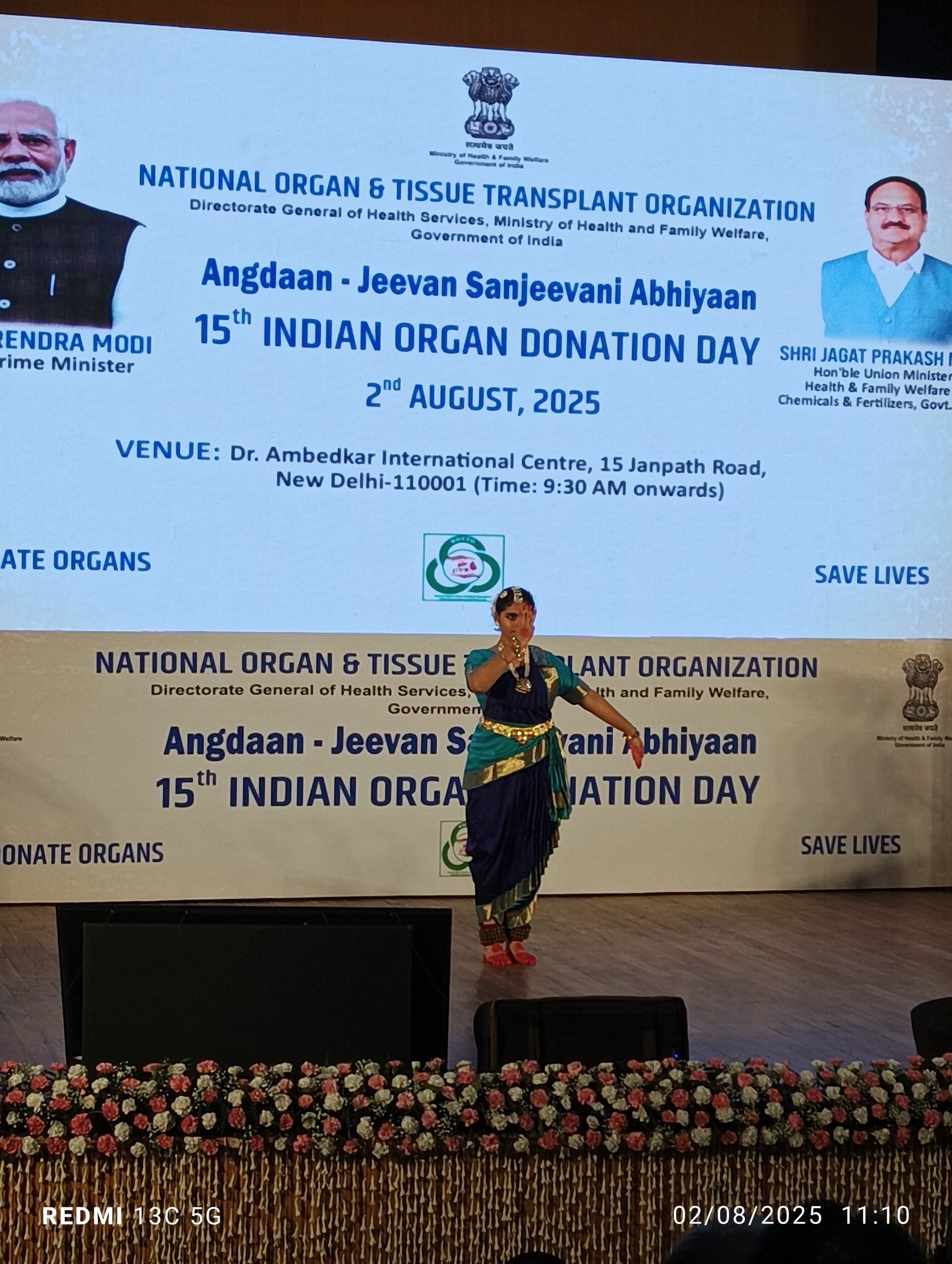
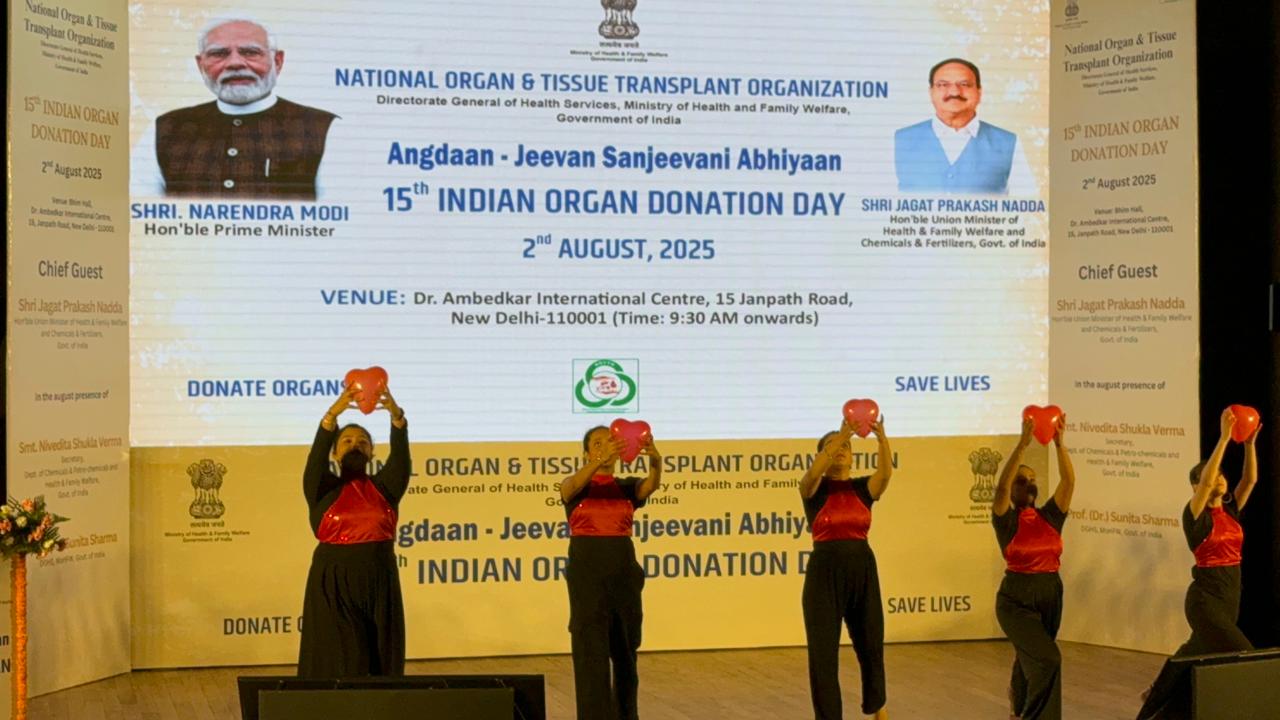
The dance group Shinjan Academy of Performing Arts, led by acclaimed Delhi-based Bharatanatyam exponent Smita Chakraborty, presented a poignant and beautifully choreographed dance skit on organ donation. Centred on the theme of heart transplant, the performance powerfully conveyed the life-saving significance and emotional depth of organ donation.
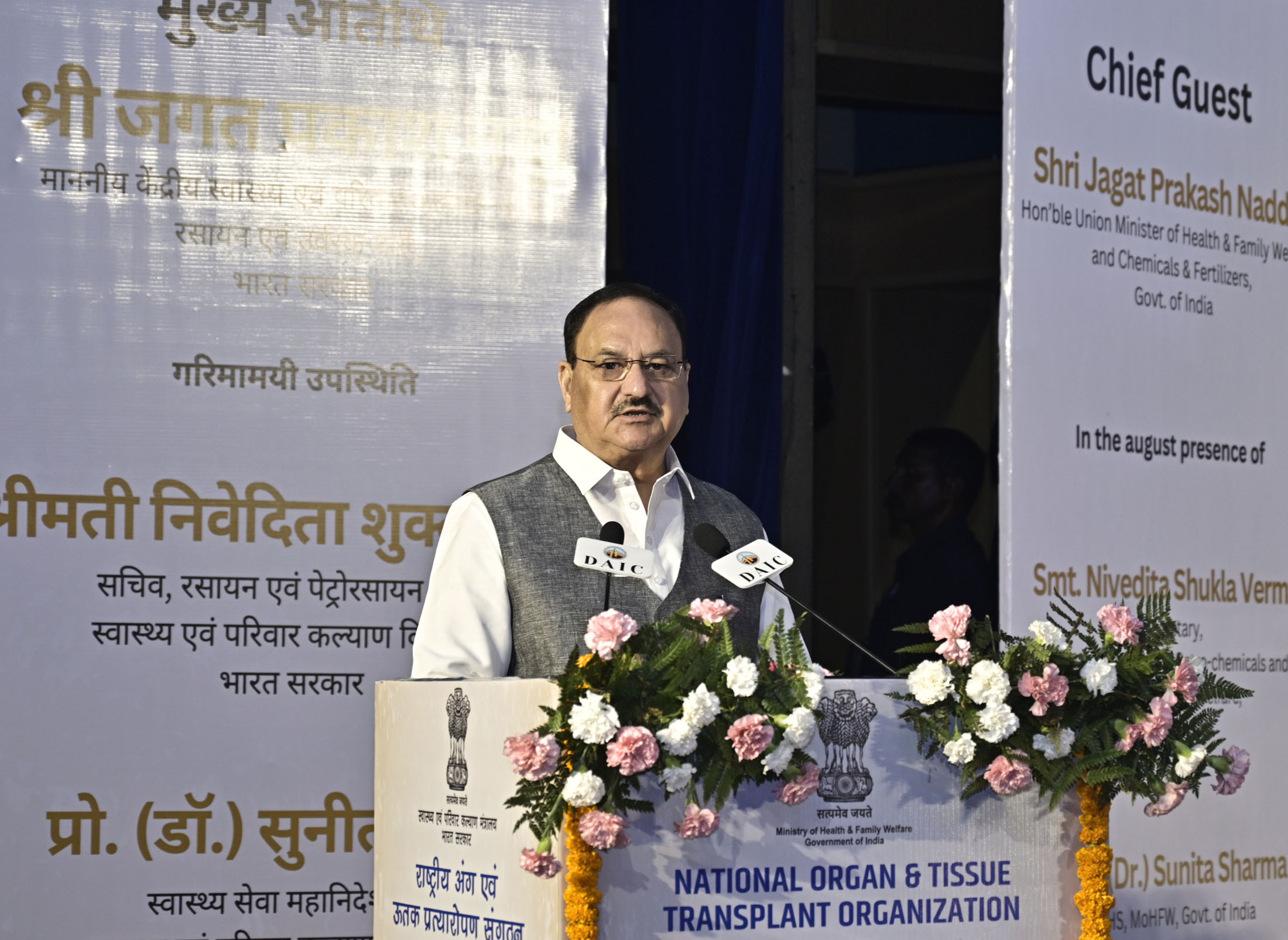
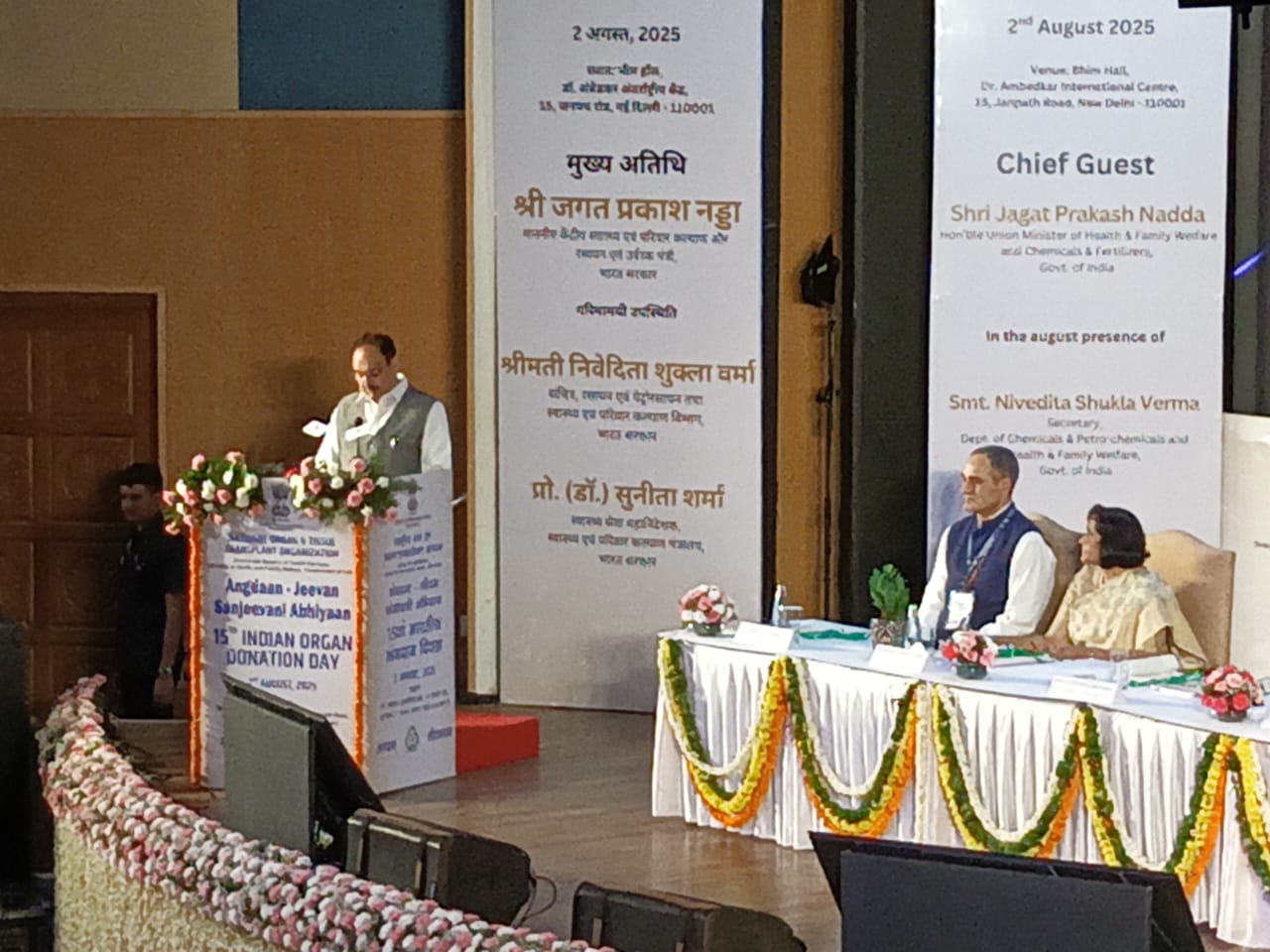
Shri J.P. Nadda, Hon’ble Union Health Minister (MoHFW), addressed the gathering and emphasised the government’s commitment to strengthening the organ donation ecosystem and enhancing public participation. He shared his insights on creating a nationwide movement to augment organ donation and transplantation through the active involvement of State governments and other stakeholders. He said Organ donation is one of the noblest acts of humanity. In a world where medical science has made incredible progress, the gift of an organ is one of the most profound contributions one can make to someone else
Emphasising the urgency of organ donation, Shri Nadda said, “The growing number of organ failure cases poses a serious public health challenge, with thousands awaiting transplants annually. A significant gap persists—not due to a lack of intent, but rather because of limited awareness and misconceptions. Today offers a vital opportunity to raise awareness, foster dialogue, and pay tribute to donors and their families who offer the gift of life.”
The Health Ministers felicitated and recognised the noble act of organ donation of several families of donors. “You have inspired and motivated all of us through your act of strength and humanity in your saddest moments of life, and we salute all those bereaved for being a source of life for the needy”.
The Government of India has set up the National Organ & Tissue Transplant Organization (NOTTO) as a mandate of the Transplantation of Human Organs (Amendment) Act 2011, for carrying out the activities for the promotion of organ donation from deceased persons, putting systems in place for organ donation and transplantation, and training the needed manpower, etc. NOTTO is performing the functions of the National Human Organs & Tissues Removal and Storage Network as specified by the Act. Networking among hospitals and tissue banks is set up through NOTTO at the national level / ROTTO at the regional level / SOTTO at the State level for procurement and sharing of organs obtained from deceased donors, and allocation of procured organs is done by the SOTTOs, ROTTOs & NOTTO. The networking of the transplant and/or retrieval hospitals has been done to ensure that any organ that is donated does not get wasted.
Dr. Anil Kumar, Director, NOTTO, stated, “Organ donation is the most noble act of humanity. The 15th Indian Organ Donation Day is an opportunity to celebrate the lives saved through organ donation, recognise the heroes who have made this possible, and encourage more individuals to come forward and pledge for organ donation.”
NOTTO appeals to citizens 18 years of age and above to come forward to register their pledge for donations of organs (after death) and inspire others to join this life-saving movement. By saying “Yes” to organ donation, every individual can contribute to giving a second chance at life to those in need.