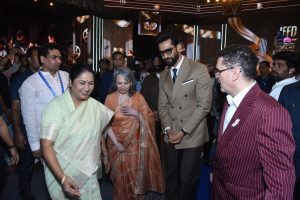
DILIP GUHA ★ NEW DELHI : Housefull shows, electrifying star power, and an overwhelming public response defined the inaugural edition of the International Film Festival of Delhi (IFFD) 2026, which came to a resounding close on March 31. What began as a promising cultural initiative quickly transformed into a full-scale cinematic movement, firmly positioning Delhi on the global film festival map.
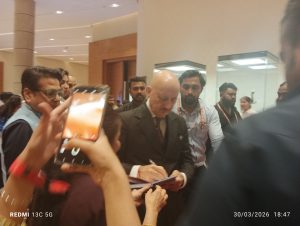
Organised by the Delhi Tourism & Transport Development Corporation (DTTDC) in association with the Government of Delhi, the festival unfolded as a citywide celebration of cinema—ambitious in scale, inclusive in design, and global in vision. From its opening film, Sirât by Olivier Laxe, to its packed closing day, the capital remained immersed in a vibrant, round-the-clock film culture.
The numbers alone signalled its impact. In its very first edition, IFFD received an impressive 2,187 entries from over 100 countries, reflecting both international credibility and domestic enthusiasm. The final programme featured over 125 films from 47 countries, spread across 15+ venues, drawing more than 30,000 registrations—an extraordinary turnout for a debut festival, as per the statement released by the organiser.
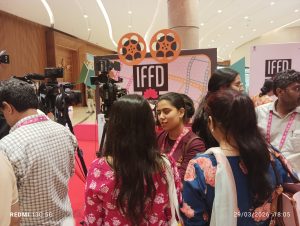
Yet, beyond the statistics, it was the energy on the ground that truly defined IFFD 2026. From early morning queues to late-night screenings, audiences turned up in large numbers, often staying back for discussions, interactions, and shared cinematic experiences. Corridors, expo spaces, and open venues buzzed with conversation, turning the festival into a living, breathing cultural exchange.
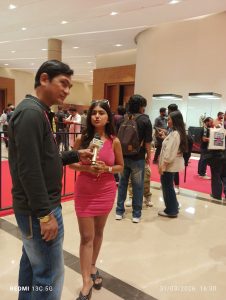
The star presence amplified the spectacle. Leading names, including Aamir Khan, Vicky Kaushal, Manoj Bajpayee, Bhumi Pednekar, Boman Irani, Divya Dutta, Arjun Kapoor, Sanya Malhotra, Hema Malini, Kangana Ranaut, and Sharmila Tagore, alongside global voices such as filmmaker Anthony Chen and actor Enrique Arce, brought both glamour and gravitas to the festival. Their participation across screenings, red carpets, and panel discussions underscored the festival’s wide-ranging appeal.

Anchored at Bharat Mandapam and extended across multiplexes and open-air venues, IFFD successfully democratised access to cinema. Its carefully balanced programming—40% Hindi, 30% international, and 30% regional Indian cinema—ensured both diversity and inclusivity, complemented by thematic sections spanning patriotic, spiritual, and children’s films.

The festival also strengthened its global footprint through collaborations, most notably with the Singapore International Film Festival (SGIFF), fostering cross-cultural dialogue and industry exchange. Spain, honoured as the “Country of Focus” under the India–Spain Dual Year 2026, added another international dimension, with curated screenings and delegation-led interactions enhancing opportunities for co-productions and creative partnerships.
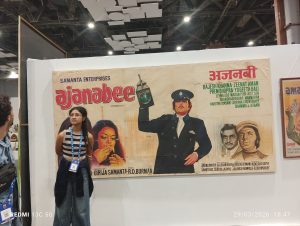
Beyond screenings, IFFD positioned itself as a dynamic industry platform. Initiatives like CineXchange, CineVerse Expo, and a robust masterclass series brought together filmmakers, creators, and audiences in meaningful dialogue. Innovation took centre stage with the AI Filmmaking Hackathon, where Echoes of Monastery emerged as the Best AI Film, signalling the festival’s forward-looking approach to storytelling.
A Night of Honours, A Festival to Remember
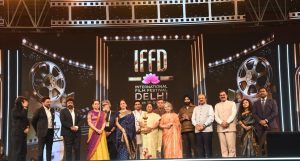
The Night of Honours at IFFD 2026 emerged as a grand celebration of cinematic excellence, uniting leading voices from cinema, government, and the creative industries on a single stage. Defined by its high-energy atmosphere and packed attendance, the ceremony recognised standout talent while capturing the scale and spirit of the festival’s landmark debut.
Adding emotional resonance to the evening, the iconic film Sholay marked 50 years since its release, with veteran filmmaker Ramesh Sippy receiving a special honour for his enduring contribution to Indian cinema. A live performance by Grammy-winning composer Ricky Kej further elevated the night, blending global and Indian cinematic soundscapes into a memorable musical experience.
Voices from across the industry reflected the festival’s growing cultural significance. Bhumi Pednekar highlighted the emergence of honest and experimental storytelling, particularly for women, while Anupam Kher emphasised the role of such platforms in fostering dialogue and cultural exchange. Aamir Khan underscored cinema’s power to inspire reflection, and international actor Enrique Arce noted the festival’s ability to connect people across cultures.
Divya Dutta and Vicky Kaushal pointed to the overwhelming audience response, with packed screenings and palpable energy reinforcing cinema’s enduring appeal. Boman Irani drew attention to the importance of craft, stressing the need for stronger training and writing ecosystems, while casting director Mukesh Chhabra acknowledged the expanding opportunities driven by OTT platforms and evolving storytelling formats.
What truly set IFFD 2026 apart was not just its scale but its accessibility and engagement. “Housefull” became the defining refrain across venues; yet beyond the numbers, audiences actively participated—staying back for discussions, interacting with creators, and transforming screenings into shared cultural experiences. The festival’s expo and networking spaces further amplified this exchange, creating a vibrant hub for collaboration and future storytelling.
As the curtains fall, IFFD 2026 leaves behind more than applause—it leaves a cultural imprint. Packed halls, powerful narratives, and an electrified capital city defined its journey.
Delhi didn’t just host the festival—it lived it. And if this edition is any indication, IFFD is only just beginning.
A Festival That Inspired the Next Generation
Beyond the star-studded screenings and global showcases, IFFD 2026 struck a deeper chord with a new generation of cinema enthusiasts. The festival became a vibrant meeting ground for young dreamers, aspiring filmmakers, and students who travelled from across the country to be part of something larger than themselves.
Among them was Meghna, a student from the National School of Drama (NSD), whose journey to the festival was driven purely by passion. For her, IFFD was more than just a festival—it was an entry point into the world she hopes to belong to. Expressing her excitement, Meghna said, “This festival encourages people to become part of the wider circle of Bollywood and Hindi cinema. It transforms our passion into something much bigger.”
From attending screenings to participating in masterclasses led by names like Imtiaz Ali, Anupam Kher, and Divya Dutta, Meghna described the experience as both immersive and inspiring. “We not only get to see celebrated artists up close but also learn from them directly. That kind of exposure is invaluable,” she added.

For many like her, IFFD bridged a critical gap—bringing the industry closer to those who may not yet have access to Mumbai’s film ecosystem. “It gives direction and hope to aspiring artists. Festivals like this make the dream feel achievable,” she reflected, underlining the importance of such platforms in nurturing talent beyond traditional hubs.
The festival’s global character further amplified its appeal. With films across languages and cultures, it offered Delhi audiences a rare window into diverse storytelling traditions. “It’s not just about watching films—it’s about experiencing different worlds,” Meghna noted, calling it a refreshing cultural escape from everyday life.
Praising the organisation of the event, she said the management and cultural coordination have been commendable. She also expressed gratitude to the organisers, including Kapil Mishra, for creating such an engaging and enriching platform.
“We not only get to see celebrities but also gain valuable knowledge and insights that can guide us in our careers and lives,” Meghna concluded.
The final day carried that same spirit of discovery. Among the standout screenings was Laalo – Krishna Sada Sahaayate, a Gujarati devotional drama that blended psychological depth with spiritual introspection. Directed by Ankit Sakhiya, the film traced the journey of a man confronting his past, gradually unfolding into a narrative of faith, redemption, and inner healing.
Bringing the festival to a fitting close was Amoeba, the FIPRESCI award-winning film, capping a week that seamlessly moved between intimate human stories and expansive cinematic visions.
In the end, what truly set IFFD 2026 apart was not just its scale, but its soul. “Housefull” may have been the defining word across venues, but the real story lay in the engagement—audiences staying back, asking questions, exchanging ideas, and turning every screening into a shared cultural moment.
IFFD didn’t just showcase cinema—it created a community around it. And in doing so, it ensured that long after the curtains fell, the conversations—and the dreams it ignited—would continue.
As the curtains came down, the final day carried the same pulse that defined the entire festival—packed halls, engaged audiences, and a palpable sense of cultural momentum.
IFFD 2026 was not just an event; it was an arrival.
Delhi didn’t merely host a film festival—it embraced it, lived it, and, in doing so, announced itself as a rising global hub for cinema and storytelling.
Also Read : IFFD 2026 Launches Nationwide AI Filmmaking Hackathon to Redefine Storytelling